
Football today is a high-impact, high-speed sport defined by advanced protective gear—but it didn’t always look this way. One of the most fascinating chapters in the history of football helmets is the era of leather football helmets. These soft, minimal head coverings were once the standard, raising an important question many fans still ask: when did football players stop wearing leather helmets?
The Rise of Leather Football Helmets
In the early 1900s, American football was extremely dangerous. Players wore little to no protective equipment, and serious head injuries were common. To reduce ear injuries and skull fractures, athletes began using leather helmets, often handmade and lightly padded. These early football helmets offered minimal protection but marked the first step toward player safety.
By the 1920s and 1930s, leather helmets became widely accepted across college and professional football. They featured thick leather panels, laces on top, and soft ear flaps. While they looked rugged, they lacked face masks and shock absorption, leaving players vulnerable to concussions and facial injuries.
When Football Players Stopped Wearing Leather Helmets
The transition away from leather helmets began in the late 1940s and early 1950s. Advances in materials science introduced plastic football helmets, which provided significantly better protection. In 1949, the National Football League (NFL) approved the use of plastic helmets, and by the mid-1950s, most professional players had completely stopped wearing leather helmets.
The final holdouts disappeared soon after. In 1959, the NFL officially banned leather helmets, marking the end of an era. College football quickly followed suit, making plastic helmets the new standard at all competitive levels. This shift dramatically changed the game and improved long-term player safety.
Why Leather Helmets Were Phased Out
There were several reasons football moved away from leather helmets:
- Poor impact protection compared to plastic helmets
- No face masks, increasing facial injuries
- Limited padding, offering little concussion prevention
- Inability to meet evolving safety standards
As football became faster and more physical, leather helmets simply couldn’t keep up with the demands of the sport.
The Evolution of Football Helmet Safety
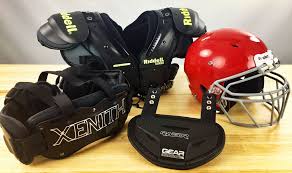
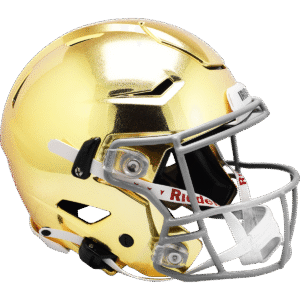
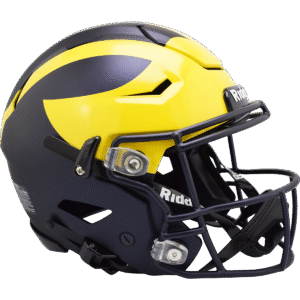
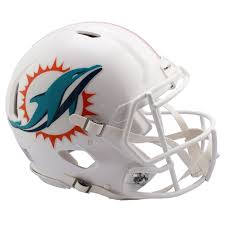
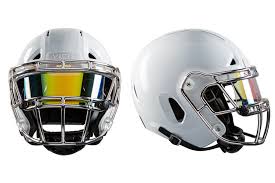
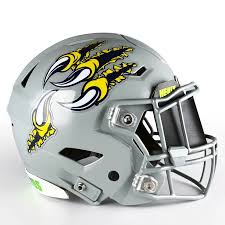
The replacement of leather helmets marked the beginning of continuous innovation in football equipment. Plastic helmets soon included face masks, internal padding, air bladders, and later, advanced concussion-reduction technology. Modern helmets are the result of decades of research aimed at protecting players from traumatic brain injuries.
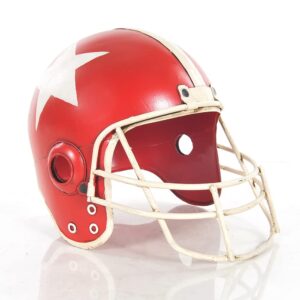
Despite their shortcomings, leather helmets remain an iconic symbol of football’s early days. They are now prized collectibles, often displayed in museums, sports memorabilia collections, and vintage football exhibitions.
Why This History Still Matters Today
Understanding when football players stopped wearing leather helmets highlights how far the sport has come—and why safety advancements matter. It also fuels discussions about player health, rule changes, and future innovations in protective gear.
From humble leather beginnings to high-tech modern helmets, football’s evolution reflects a growing commitment to athlete safety. The leather helmet may be gone, but its legacy lives on as a reminder of how the game—and its players—have transformed over time.